Summary
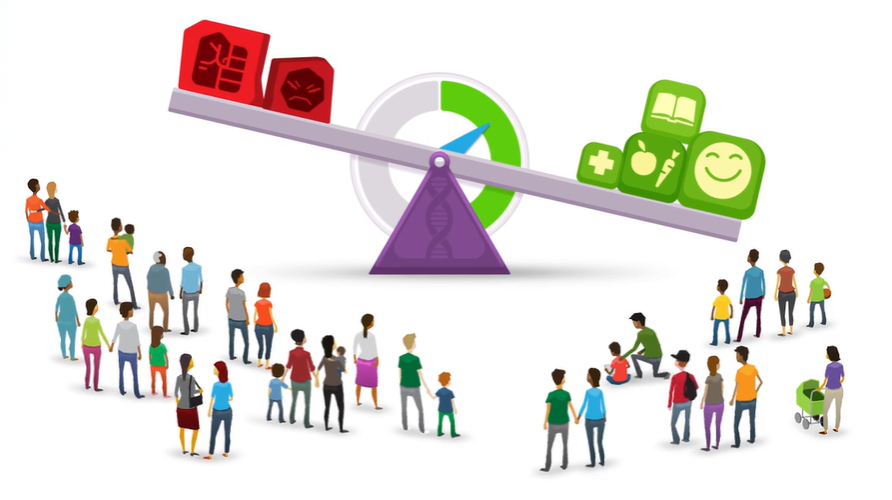
Every year since 2017, the Human Early Learning Partnership (HELP) at UBC has shared findings from the Childhood Experiences Questionnaire (CHEQ), completed by parents and caregivers of kindergarten children across British Columbia. HELP shared their latest data in the CHEQ Provincial Summary 2026. The report highlights how children’s early experiences at home, in child care, and in their communities shape their development and well-being before school entry.
The findings show that healthy sleep, physical activity, outdoor and risky play, social connection, and supportive neighbourhoods are linked to stronger developmental outcomes for children. The report also highlights that many families face barriers to accessing affordable child care, health supports, and community programs, as well as high levels of stress that can affect children’s daily experiences and well-being.
While the CHEQ summary focuses on British Columbia, its findings are relevant for many provinces across Canada because children and families face similar issues related to affordability, access to services, caregiver stress, and opportunities for healthy early development.
Policy & Practice Implications
- Policy makers, educators, and community organizations can use the CHEQ findings to better understand how early childhood experiences influence children’s development and school readiness.
- Governments and non-profit organizations can support children’s well-being by investing in affordable child care, accessible health and developmental services, outdoor play opportunities, and family-friendly policies that reduce stress and strengthen social connections.
- The findings also reinforce the importance of reducing barriers related to cost, waitlists, and service availability so that all families can access the supports they need for healthy child development.